Our Expertise > Richland Tapteal 1 Booster Pump Station Upgrade
How Keller Turned Pressure into Progress
Project Highlights
- 100% reservoir capacity restored
- Eliminated pump cavitation
- Improved water quality and reliability
- Lowered lifecycle and maintenance costs
- Increased capacity for future growth
- Onsite Sodium Hypochlorite Generation (OSHG)
- Repurpose legacy infrastructure
- Innovative solutions
- Pumping hydraulic analysis
The Challenge
What happens when the core of a city’s water infrastructure starts to fail? In Richland, the City was attentive to early warning signs that appeared across the Tapteal 1 booster pump facility. This critical water infrastructure includes two large reservoirs with combined 15 million gallons of storage and two major booster pump stations that moved 9,400 gpm which is more than 30% of the City’s water demand.
The pump facility was struggling to keep up with increased demand, and station #2 faced severe cavitation with water vapor bubbles forming and damaging pumps. To mitigate cavitation, the City limited how much water they would draw from its reservoir. This left a large portion of stored water unusable. On top of that, outdated chlorination equipment was not up to the City’s standards and required more attention. It was clear that Richland needed more than minor fixes—they needed a long-term solution.
The Solution
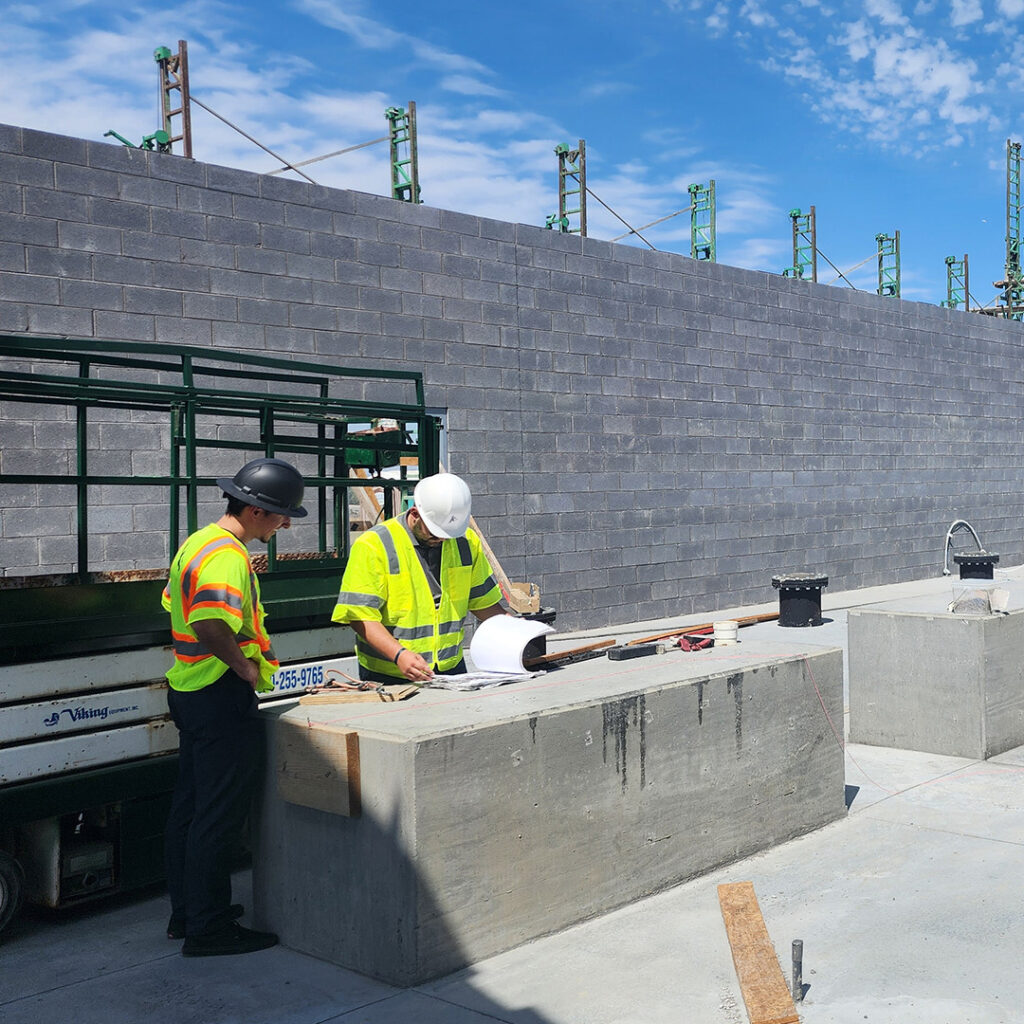
Keller partnered with the City to modernize the Tapteal 1 booster pump facility and address system‑wide challenges. The team evaluated several options and delivered an integrated solution that addressed all the key issues, eliminated cavitation problems, restored usable storage, improved water quality systems, and increased reliability and pumping capacity to over 13,000 gpm. The project also included the Kennedy Road watermain extension, site upgrades, and installing an OSHG system that was used for disinfection and maintaining reliable water quality.
The Results
The upgraded booster station can now use its full reservoir capacity and delivers much better hydraulic performance. Water quality has improved, and the standardized, modern equipment makes daily operations more dependable and maintenance much easier. With greater capacity and long‑term stability, the facility positions the City to meet future growth with confidence while supplying water to the communities of Richland and West Richland.