PFAS. Aging systems. Rising demand. Our region’s water challenges are growing fast—and the landscape is changing even faster.
This year’s Nevada Water Environment Association (NWEA) Conference for Engineers brought together engineers, operators, and researchers from across the West to explore new solutions and offer a fresh look at innovation, infrastructure, and the future of water engineering. It was a packed program, and Keller was proud to be part of the discussion.
Here are highlights from three Keller presentations that rose to the top:
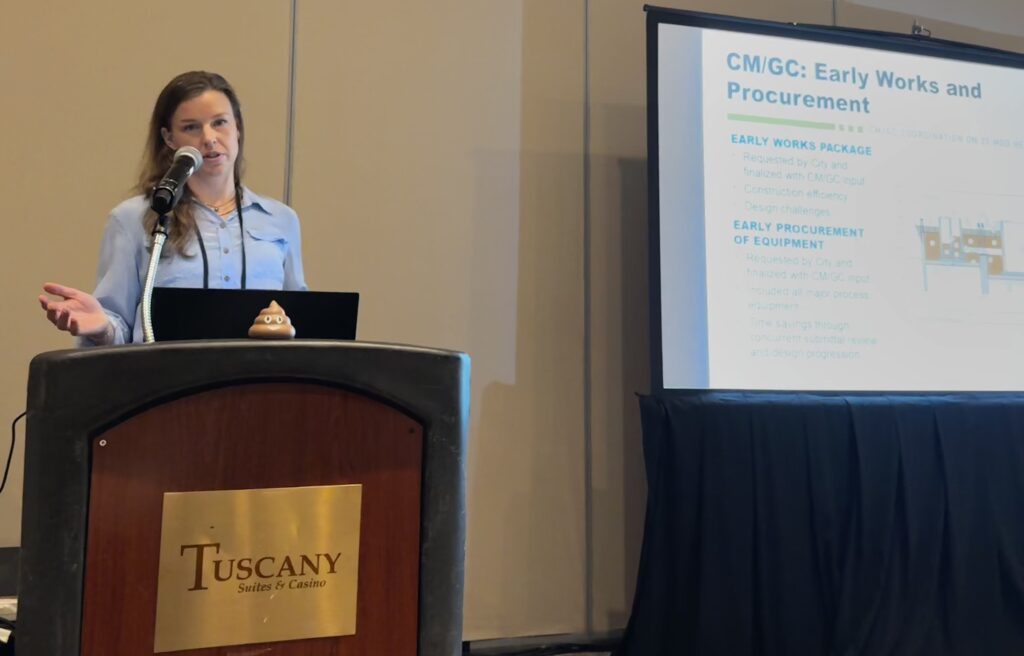
1. Two Heads Are Better Than One: CM/GC Coordination on 37 MGD Headworks in Nampa
Aimee Dewan, PE and Dallin Stephens, PE
The Focus:
When upgrading critical wastewater infrastructure, collaborative delivery methods can make or break budget, schedule, and continuity of operations.
Why It Matters:
Headworks upgrades are some of the riskiest parts of treatment plant projects. This case study showed that involving the contractor early can significantly reduce uncertainty.
Top Takeaways:
- Nampa’s rapid population growth demanded a new headworks facility capable of handling 17 million gallons per day (MGD) average flows and 37 MGD peak loads.
- The City chose the Construction Manager/General Contractor (CM/GC) approach to reduce risk and get early input on the design.
- Collaborative delivery helped avoid plant disruptions while upgrading influent pumping, screening, grit removal, and odor control systems.
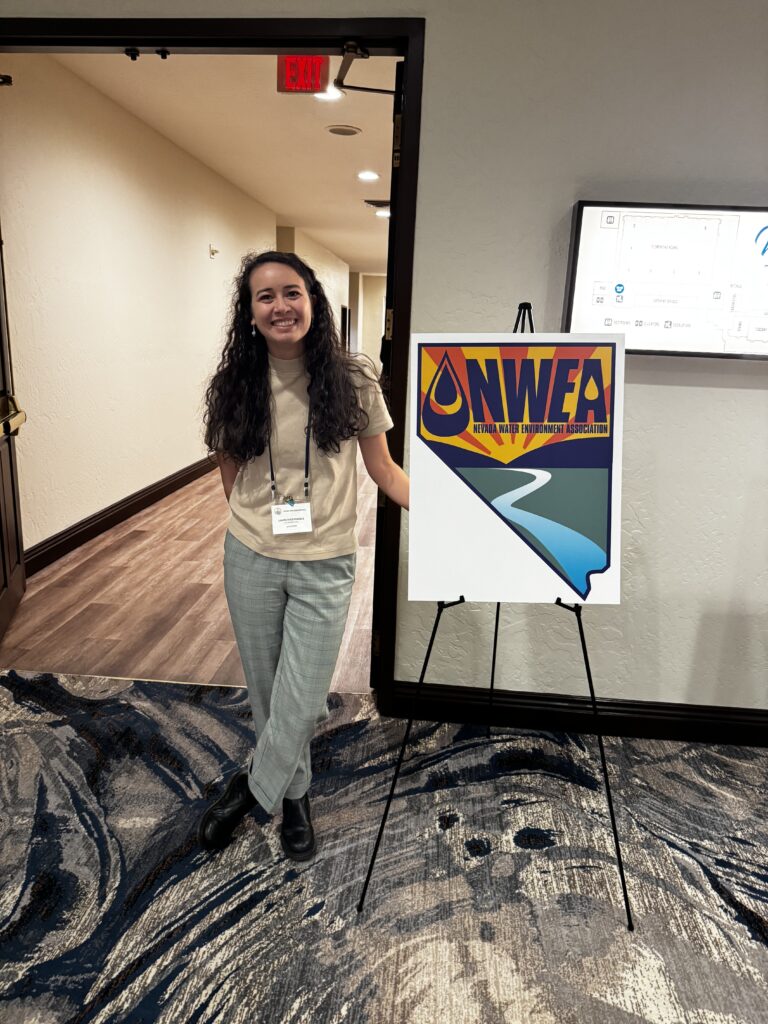
2. Thermal Destruction of PFAS Sorbed to GAC: Byproducts and Mechanisms
Lauren Edwards, EI
The Focus:
Sure, activated carbon can remove PFAS. But what happens during thermal regeneration determines whether PFAS are destroyed or simply transformed.
Why It Matters:
PFAS creates challenges that go beyond simple removal. Safe destruction is becoming essential as stricter rules push utilities to adopt better treatment methods.
Top Takeaways:
- Bench‑scale pyrolysis experiments examined how granular activated carbon (GAC) type, temperature, PFAS load, and chain length affect destruction efficiency.
- Thermal regeneration can break PFAS down completely, but if the reaction doesn’t finish, it can create harmful gases.
- Air pollution control systems play a critical role in preventing PFAS emissions.
- The research found key mechanistic pathways for PFAS breakdown during high‑temperature treatment.
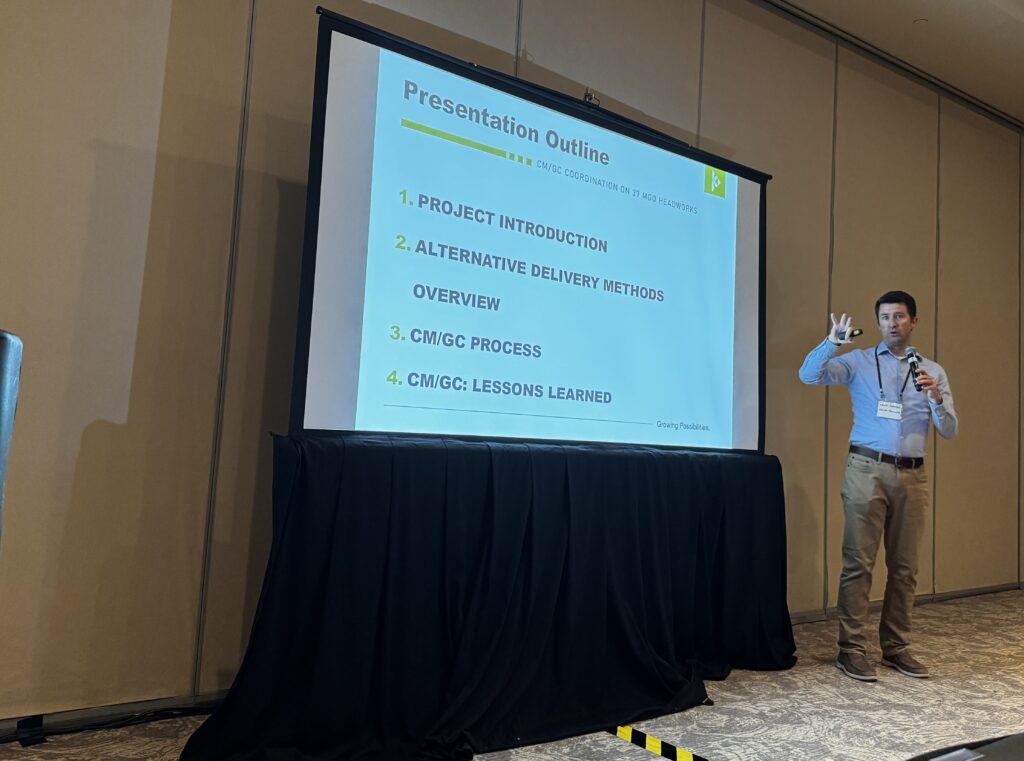
3. Improving Biosolids Dewatering and Drying Performance
Dallin Stephens, PE
The Focus:
A clear, easy-to-follow walkthrough on how biosolids systems work, the challenges they face, and the technologies behind them. (And Dallin’s household analogies helped make complex concepts even more accessible.)
Why It Matters:
Biosolids programs face cost pressures and evolving regulations. Having clear guidance on the basic processes helps utilities make smarter choices about daily operations and long‑term investments
Top Takeaways:
- Dewatering and drying depend on several things, including sludge properties, polymer chemistry, the way the process is set up, and the equipment used.
- Small changes—like adjusting the feed or fine‑tuning equipment—can significantly improve performance.
- Emphasis on understanding key factors first, then optimizing technologies second.
What’s Next
Being part of the NWEA 2026 Annual Conference was an incredible opportunity to learn, share ideas, and connect with water engineering leaders from across the region. The insights and connections we gained will stay with us long after the conference. Keller is excited to bring thinking like this back into our projects and continue pushing what’s possible. See you next year—with new results, new research, and new ways to improve the systems our communities depend on.
Want to see what else we’re working on?
Explore our expertise page today. >