Once a project leaves design and enters construction, risk increases. Field conditions change. Assumptions are tested. And small issues can quickly grow into costly problems. That’s where Construction Engineering and Inspection (CE&I) comes into play.
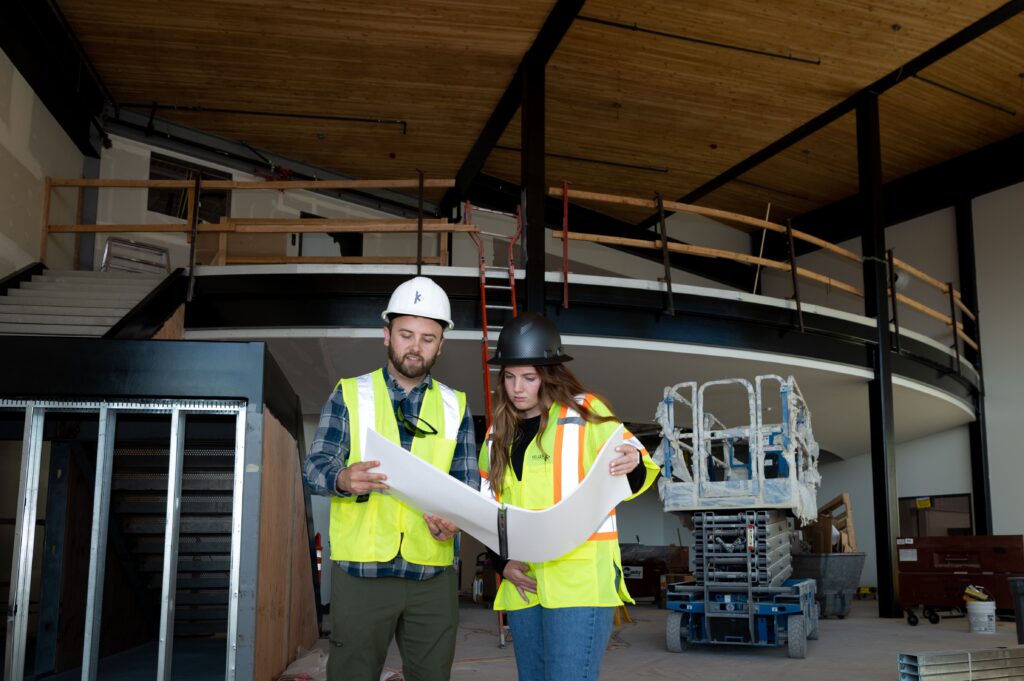
Keller’s CE&I team serves as the on‑site safeguard. We verify work, enforce compliance, and make sure the original design vision holds up under real‑world conditions. In short, our CE&I team helps protect projects when it matters most.
10 ways CE&I shows up in the field to support successful delivery:
1. Serves as the Owner’s Eyes and On‑Site Advocate
Once construction begins, the owner can’t be everywhere at once. So the project inspector represents the owner in the field, observing work as it happens and verifying it meets contract requirements to prevent misunderstandings, missed details, and disputes over what was built versus what was intended. As Keller Project Manager Jeff Sorenson, PE, puts it:
“Effective designs don’t happen from behind a desk. Go outside, get boots on the ground, and see how minor issues add up during construction.”
Regular site visits help catch concerns early—before they turn into expensive problems.
2. Makes Sure What’s Built Reflects the Design Vision
Design drawings show how a project should be built—but site conditions don’t always match the plans. The CE&I team confirms that construction follows design intent, even when conditions change (which can happen frequently). When conflicts appear, Keller’s project inspector helps identify them early so they can be resolved without slowing the project down or compromising performance.
3. Eliminates Gray Areas Between QA and QC
Contractors are responsible for quality control (QC). CE&I provides quality assurance (QA).
This separation matters big time. Because even though CE&I verifies and accepts work based on contract requirements, it doesn’t direct how contractors perform their work. Clear accountability is key to protecting everyone, reducing disputes, and keeping things moving smoothly.
4. Creates Clear Records that Support the Work
CE&I teams prepare daily reports, inspection logs, material certifications, and meeting records throughout construction. Jeff Sorenson often jokes, “We build projects on paperwork.” But there’s a real truth to that because these records create a clear, traceable history. One that’ll protect the project—and the owner—if questions or disputes arise later.
5. Protects Project Funding
Many projects rely on federal or grant funding, which comes with strict documentation requirements. Missing or incorrect paperwork can put reimbursements at risk. Keller’s CE&I team makes sure the required records are complete and accurate. And this helps protect project funding and avoid unexpected costs.
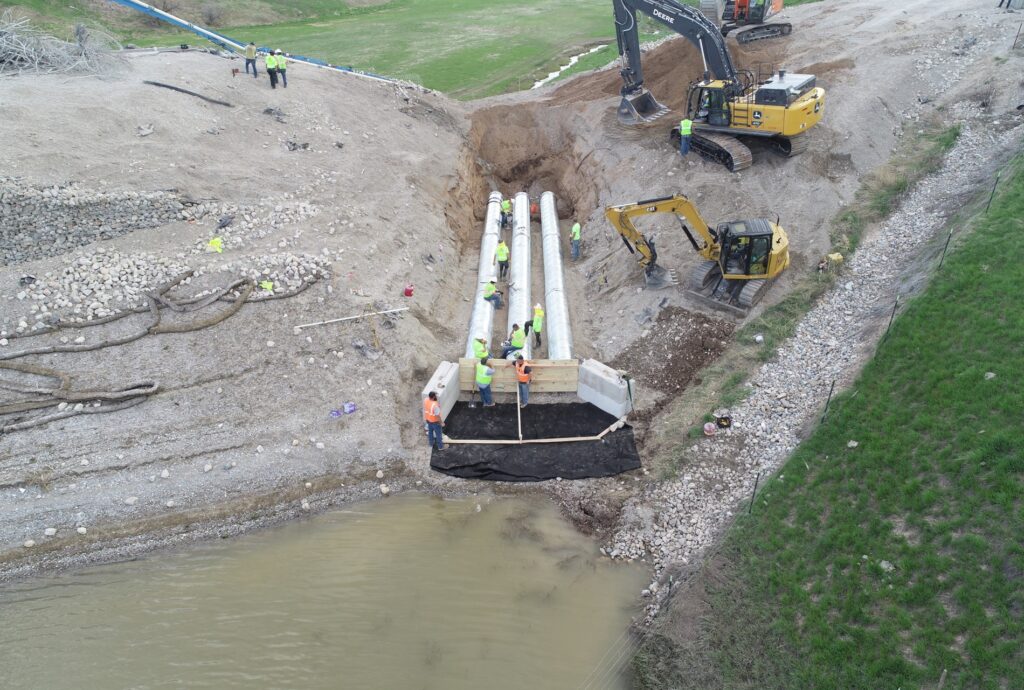
E. Oneida Road—Preston, Idaho
6. Uses Authority to Prevent Problems Before They Start
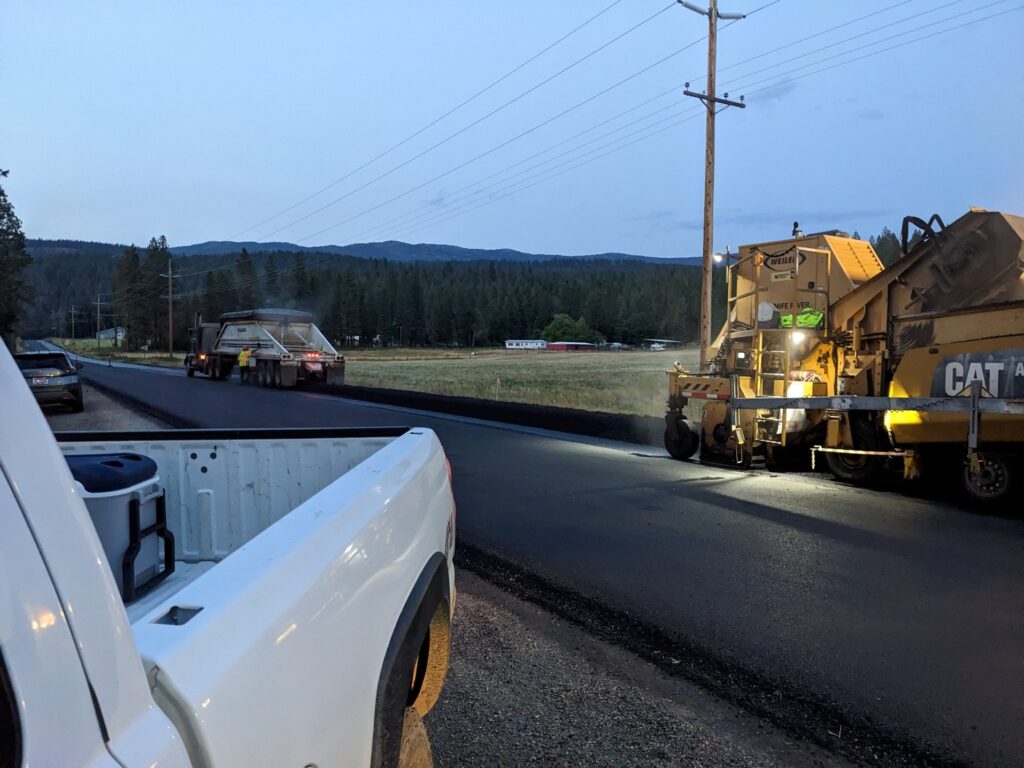
When work falls short of specifications, the project inspector has the authority to act. That may mean rejecting materials, stopping work temporarily, or requiring corrections. This oversight allows our team to prevent noncompliant work from moving forward—and avoids costly repairs later in the project.
7. Keeps Roles Clear and Decisions Clean
CE&I also enforces contract requirements, not construction methods. That means contractors remain responsible for how the work is performed, while CE&I focuses on compliance. This clear division of responsibilities helps avoid mixed signals, confusion, and unnecessary claims.
8. Catches Small Issues Before They Escalate
Minor issues in construction can easily create major consequences if they go unnoticed. Our CE&I team’s consistent presence in the field helps identify small challenges early—before they affect schedule, budget, or overall project performance.
9. Flags Specification Misalignment Early
Standard specifications are great. But they don’t always apply to every site or condition. Our CE&I team recognizes when requirements don’t align with real‑world conditions and raises those concerns before they cause delays, rework, or unnecessary testing. As Keller’s Construction Engineering Regional Manager Kevin Mertens notes:
“Every project is unique. Copy‑pasting specs without tailoring them can create unnecessary complexity in the field.”
10. Adds Real‑World Insight You Can Only Get from Being On-Site
Construction often reveals challenges that are hard to predict during design—and that’s where field experience matters most. Keller’s CE&I team brings hands‑on field experience that helps improve sequencing, access planning, and phasing. These insights not only help current projects run more smoothly but also make a positive impact on future designs.
What Happens in the Field Doesn’t Always Stay in the Field
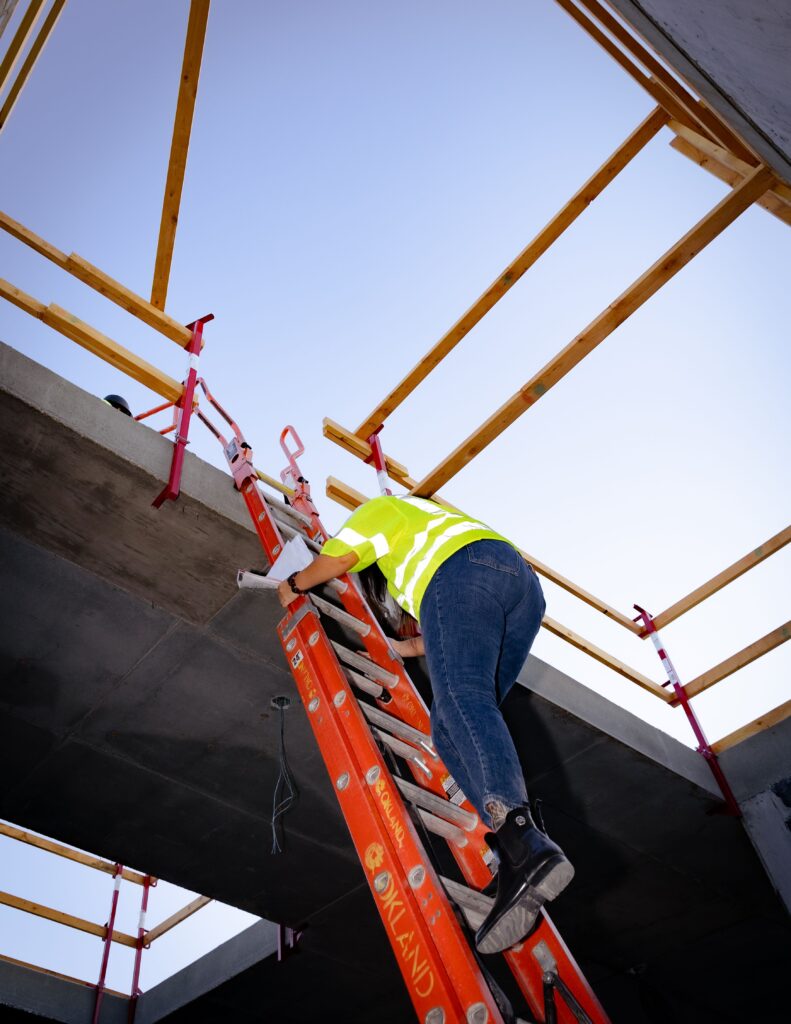
Field decisions extend far beyond the jobsite. By connecting design, compliance, and construction in the field, Keller’s CE&I team helps protect quality, control risk, and safeguard long‑term project value.
Because when it’s done right, Construction Engineering and Inspection goes beyond checking boxes and keeping projects tracking. It’s about helping projects perform better today—and making a positive impact on the designs of tomorrow.