Last week, Idaho’s water leaders met in Boise for the 2026 AIC Water Summit, the state’s key forum on water and wastewater issues. The conversations made one thing clear: communities are facing their toughest challenges yet.
That’s where Dallin Stephens, PE, Keller’s Wastewater Design Lead came in.
He was there to share his Biosolids Dewatering and Drying 101 presentation. And the discussions that followed showed just how fast solids handling is becoming a priority for cities of every size.
Key Takeaways:
- Solids handling is becoming a top priority as volumes rise and disposal options shrink.
- Sludge quality matters, and upstream processes can make or break dewatering.
- Consistent drying improves efficiency, cut costs, and opens more resource recovery options.
Here’s a quick look at what Keller shared at the summit:
1. Solids Handling is No Longer an Afterthought
As disposal costs climb and regulations tighten, solids management is becoming a higher priority for utilities. Dewatering is a critical first step in reducing volume and cost while preparing solids for the next step in the process.
By removing water and boosting solids content to roughly 15–25%, dewatering dramatically cuts hauling and disposal expenses and creates a consistent, manageable material for downstream processes such as drying, advanced treatment, or land application.
2. Know Your Sludge
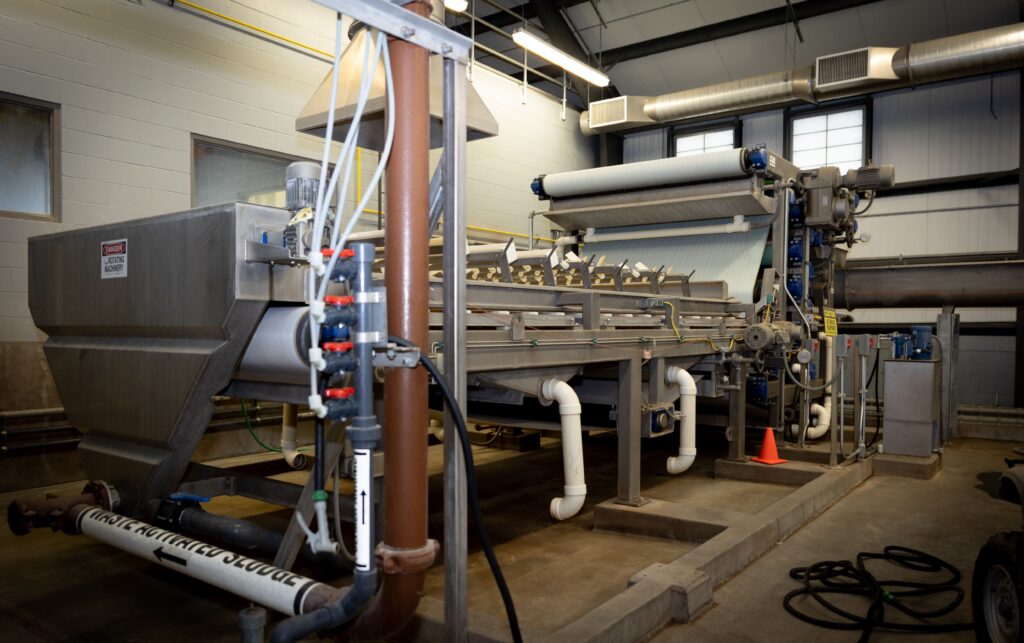
How well sludge dewaters really comes down to what’s happening upstream. Primary solids usually behave better and dewater more easily, while secondary solids can be trickier. Processes like enhanced biological phosphorus removal and digestion can also make sludge tough to handle and often mean you’ll need more polymer to get the job done.
3. So Many Dewatering Tools, So Little Time
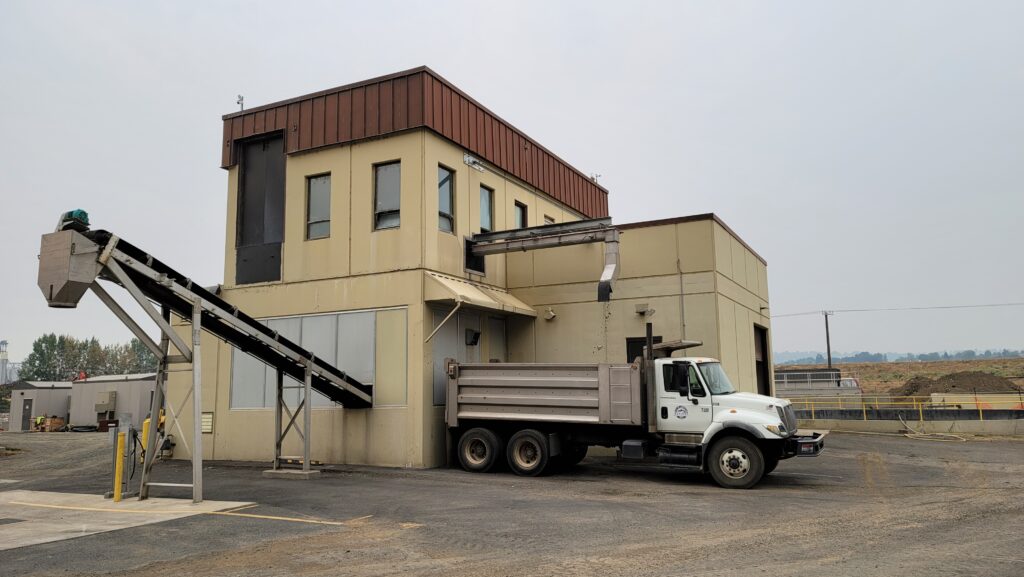
What makes choosing a dewatering system so challenging? Each technology has its own strengths and challenges, and the key is matching the right tool to the sludge and the performance you need. Belt filter presses, screw presses, centrifuges, multi‑disc presses, and fan presses all approach dewatering differently. Their performance ultimately depends on feed characteristics and plant goals.
4. Drying Further is a Game‑Changer for Class A Biosolids and Resource Recovery
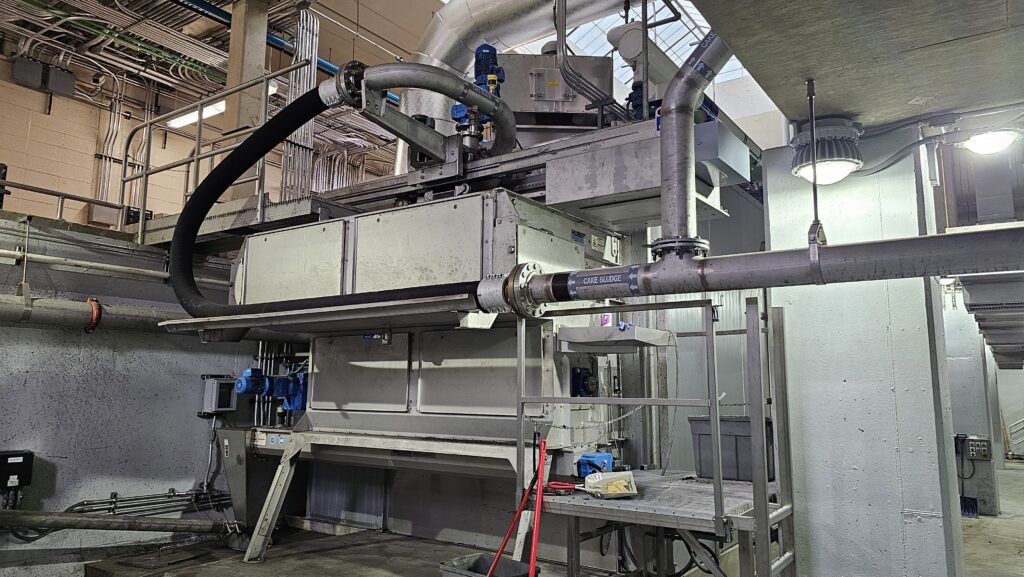
Drying takes biosolids from roughly 20% solids up to 65–95 percent. In the past, few plants would consider drying, but the landscape is changing. Higher dryness cuts disposal costs and often opens the door to Class A products that can be marketed or reused. And it prepares material for advanced treatment processes like PFAS destruction.
5. Consistency is Key
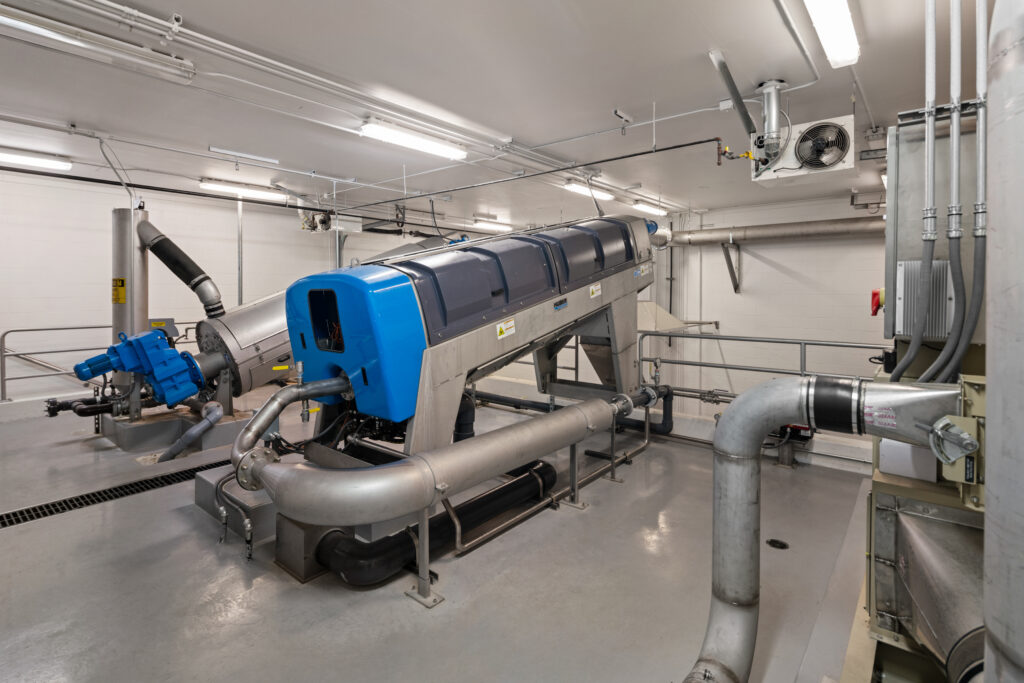
Optimizing dewatering and drying comes down to process consistency and tight operational control. Performance improves when feed characteristics steady and polymer strategies are used to fit the specific type of sludge. It also helps to match the right technology to sludge behavior and run dryers efficiently with thin films, proper moisture targets, and automated controls. Smooth, predictable operation leads to better results across the board.
Creating Better Places to Live and Work—Together
We appreciated the chance to join the 2026 AIC Water Summit and connect with leaders focused on long‑term water readiness. These conversations help Idaho communities plan ahead and make informed decisions, and we’re proud to contribute.
Keller is ready to help cities assess solids processes, explore upgrade options, and pursue funding for critical water and wastewater projects. We’re looking forward to building on this momentum together in the year ahead. Because for us, it’s all about supporting our communities and improving lives.
Ready to improve your community’s wastewater systems?
Talk with our team today >