How Ammon bridged the gap between public infrastructure and recreation
Public infrastructure is all around us, whether we notice it or not. Water comes on with the turn of a handle, roads get us from Point A to Point B, and sewage is pumped to a treatment plant, all without a second thought. These systems and facilities function behind the scenes, providing safe drinking water, efficient transportation networks, and reliable wastewater treatment. This in turn advances growth, improves well-being, and provides economic opportunity in our communities.
Often, these processes are taken for granted. Other times, operations are intentionally hidden, with facilities placed behind fences or even buried.
The result? The public that benefits from these critical systems is largely unaware of them.
The City of Ammon, Idaho set out to change that. Faced with water supply shortages and problematic system pressures in a growing area, the City and Keller identified the need for improved water infrastructure, with a twist.
Designing more than infrastructure—building a community
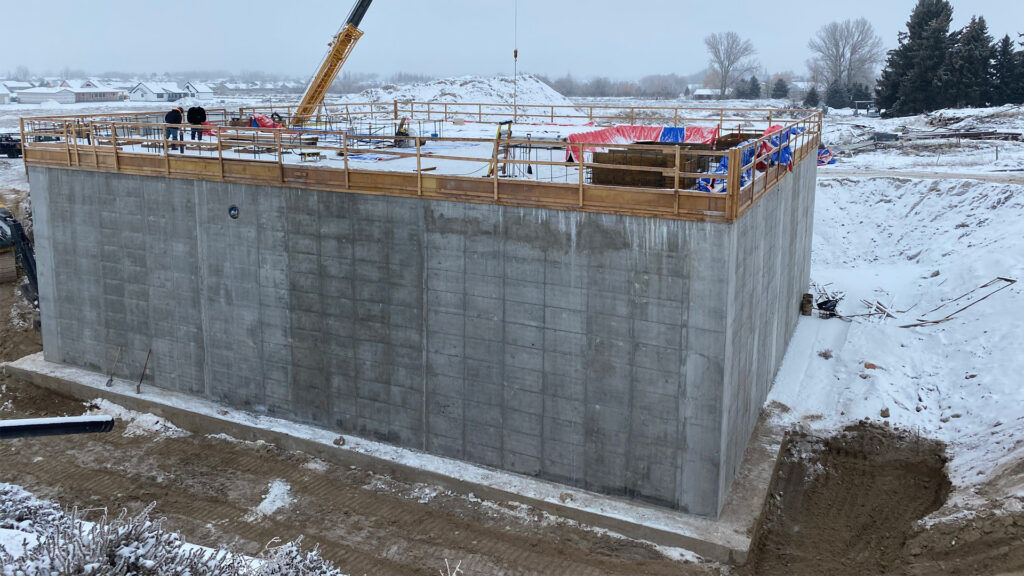
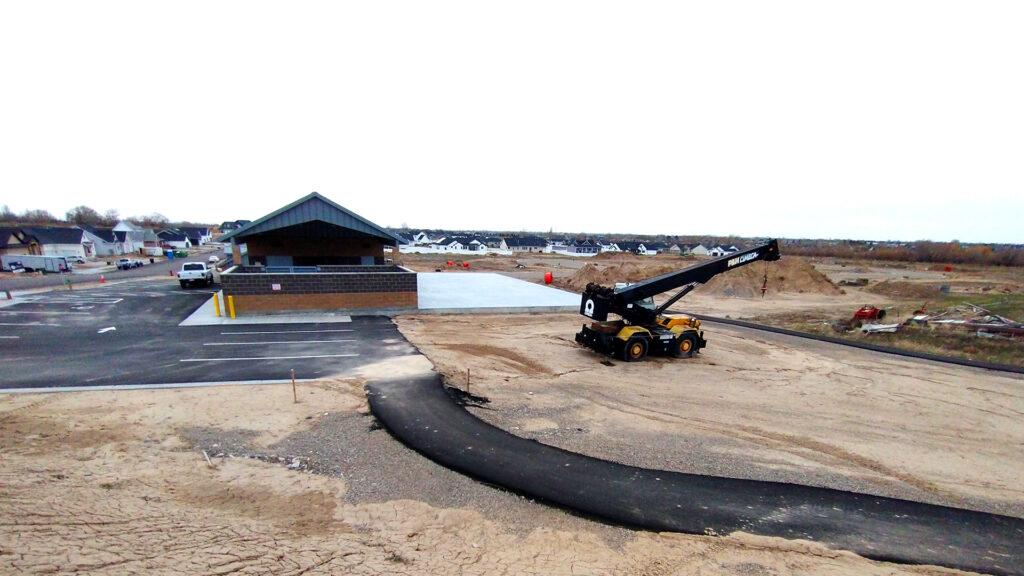
The team worked together to design a new well, tank, and booster station to reliably deliver water into the southeast portion of the City. We pivoted when test well results revealed unsuitable conditions and selected a more productive site.
But we didn’t stop there.
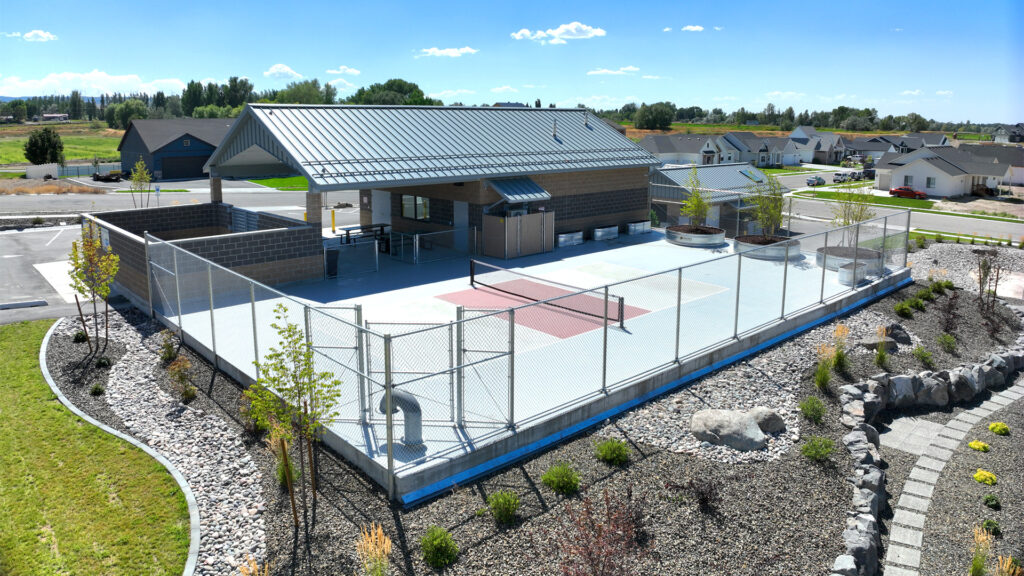
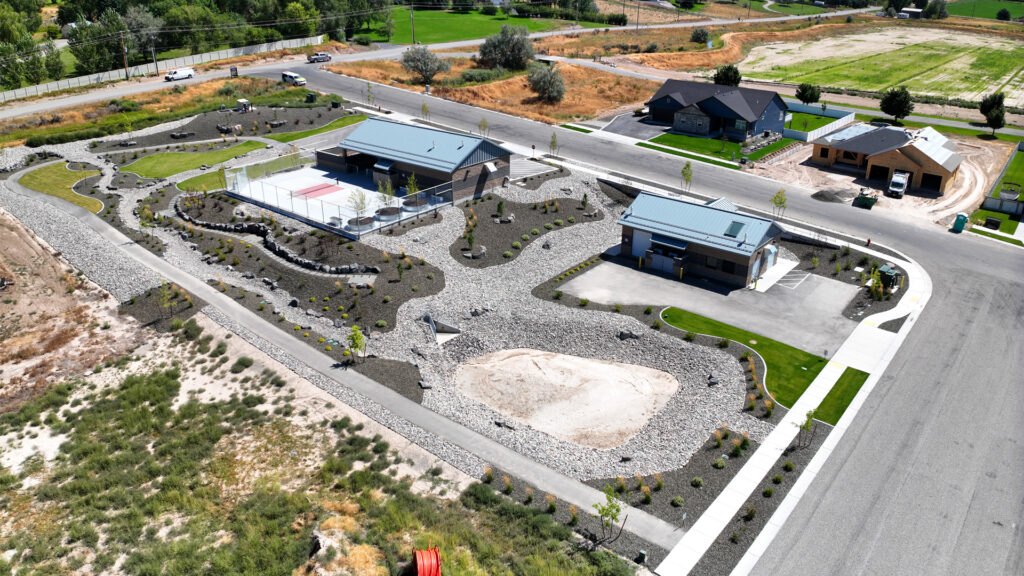
Recognizing an opportunity to further benefit the community, Keller helped the City secure a Department of Energy grant to create a Groundwater Conservation Park on the site. Working with a landscape architect and controls integrators, the team created a vibrant, inviting public space designed to bring people in, rather than a typical infrastructure site meant to keep them out.
The park’s design encourages interaction. Features such as walkways, benches, and landscaping with local, drought-tolerant plants create a welcoming space where community members can come together. Windows into the booster station allow people to see the pumps running up close. The team even designed a pickleball court on top of the tank for visitors to enjoy a quick game.
Focusing on groundwater conservation
Water conservation is a key concern not just for the City, but for everyone who relies on the Eastern Snake River Plain Aquifer. It is one of the largest aquifers in the world, holding a similar amount of water to Lake Erie. However, declining water levels have prompted widespread conservation measures. The Groundwater Conservation Park not only serves as a place to gather and recreate, but also where people can learn how to do their part to save water.
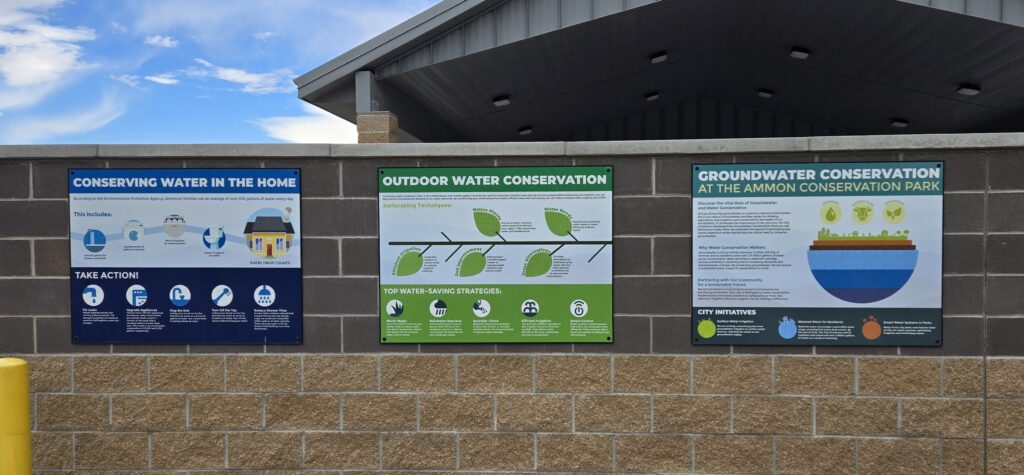
The team placed educational display boards throughout the area with water conservation facts, tips, and tricks. Digital displays also show how much water is circulating through the system in real time, such as tank water levels, well production amounts, and booster station flows.
Visitors leave the park with the knowledge of how to use water efficiently, incorporate native plants in their yards, and irrigate responsibly. This allows them to become a part of the solution towards achieving a lasting water supply.
What is the City doing to promote water conservation?
- Surface water irrigation. Converting parks from groundwater irrigation to surface water sources reduces the strain on our critical groundwater supply.
- Metered water for residents. Metered water encourages responsible water usage, so every drop counts.
- Smart water systems in parks. City parks now feature state-of-the-art smart water systems, optimizing irrigation and minimizing wastage.
Engineering solutions for public spaces
When it comes to public infrastructure, engineers don’t often have to consider how the public will interact with the space. For this project, we had to think strategically about how to design a site that functions, while supporting the community features.
These elements introduced significant engineering challenges:
- A dual-action tank roof. The tank roof slab had to support the additional weight from soil and trees in planters on top of the tank. It also needed to prevent potential contamination from fertilizers or other chemicals used on the tank, without compromising its integrity.
- Fence installation. Safety fencing anchors were installed on top of the tank during concrete placement to avoid damaging the structural components.
- Compliant, effective access. A retaining wall resolved site grading challenges, improved access, and preserved the safety and aesthetics of the public right-of-way.
- Stormwater considerations. Stormwater measures included rock-lined swales and channel drains to prevent erosion.
No detail was left untouched—even the paint and sand materials for the pickleball court surface were carefully reviewed and approved by the Idaho Department of Environmental Quality so they were compatible on top of a potable water tank.
Keller’s in-house structural, civil, water, electrical, and controls engineers worked together to design the project elements to meet public drinking water requirements, while creating a functional and accessible site.
“Being part of the Ammon project reminded me why I became an engineer—to create solutions that truly improve lives and spark positive change. What made this project stand out was the City’s bold step to invite the public into the infrastructure conversation, breaking away from traditional norms.”
– Jake Poulsen, PE, Keller Associates Project Manager
Serving up a win for the community
Most infrastructure is out of sight, out of mind, but there’s a time and a place to call attention to it. To strengthen Ammon’s water system, we decided to take a different approach, and the result is a win for the City and the community.
Keller prides itself on partnering with clients across the West and delivering lasting results. We look forward to more opportunities to deliver impactful, community-driven projects that enhance infrastructure and enrich public spaces.
Want to learn more? Check out some of our other innovative solutions or contact us anytime.