How Site Civil Engineering Helps Places Work Better for All
“When accessibility is part of the design from the beginning, not something added later, spaces support people of all abilities.” – TJ Centanni, PE
Site civil engineering helps determine whether places are safe, accessible, and easy to use. Decisions about roads, pathways, grading, utilities, and safety can define everyday experiences in ways most people never notice.
Those decisions often become clearer when designers focus on people who face the greatest challenges. In fact, at Camp Rainbow Gold and the Idaho School for the Deaf and Blind, accessibility guided the design process.
These projects show how intentional site design can expand access, support independence, and create places that meet a wider range of needs.
Camp Rainbow Gold
Accessibility was a priority throughout the project.
The camp serves children with severe and terminal illnesses and their families. Many campers face mobility limitations, fatigue, or other medical challenges. At the same time, the 120-acre property’s steep topography and aging infrastructure create additional barriers to accessibility.
Working within those constraints raised an important question: How can every child take part in the camp experience as fully as possible?
The team approached accessibility as a fundamental part of the camp experience. One team member described the goal as creating “a safe place for children and their families going through the hardest times in their lives.” Site improvements were designed to help children and families experience the property more comfortably and reach the places they came to enjoy.
The design team planned grading, roadways, pathways, and building locations to make it easier to get around. As a result, these improvements opened access to areas that had previously been difficult to reach, helping more campers enjoy the outdoors.
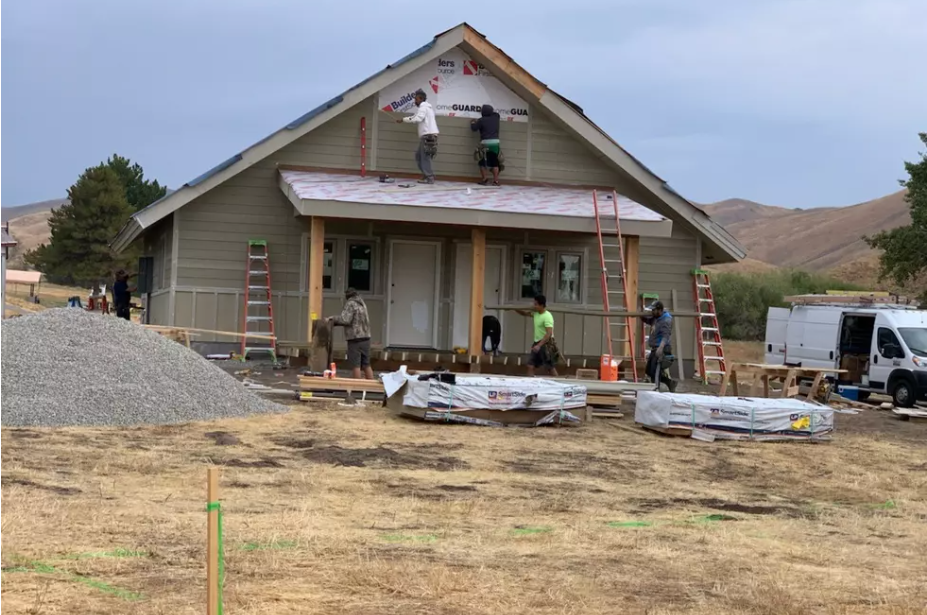
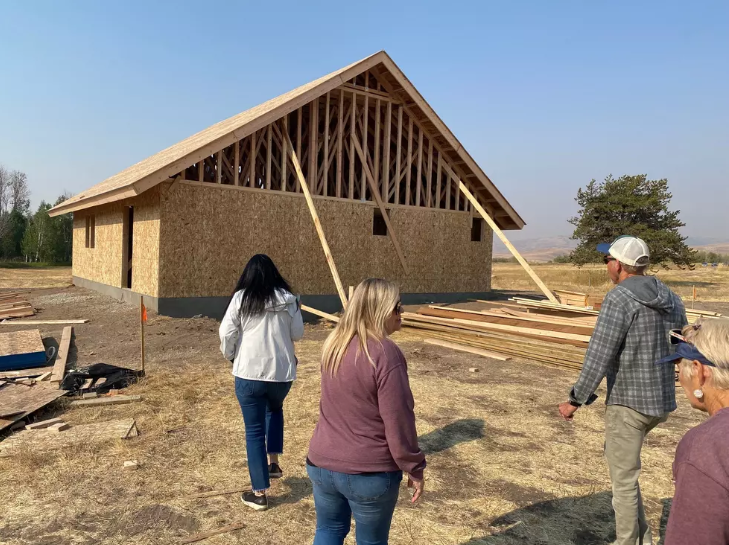
The project also included evaluations of the camp’s water and septic systems. Beyond meeting current infrastructure needs, the effort supported future expansion, including new cabins, lodges, and meeting areas. Ultimately, these improvements helped more families fully experience what the camp has to offer.
While many visitors may never notice the work behind the scenes, those key details helped make the camp experience more accessible. As TJ shared:
“The detail put into making a challenging topographic site accessible is what
I’m most proud of. The idea of not being able to enjoy the outdoors due to a disability
is devastating. This project addresses that.”
Idaho School for the Deaf and Blind
Serving students with visual and hearing impairments from across Idaho, the Idaho School for the Deaf and Blind offers programs and services available nowhere else in the state. The designers centered many of the project’s design decisions around students’ daily experiences on campus.
Safe routes, separation from traffic, clear pathways, and closer campus connections were all important parts of the design.
Accessibility wasn’t treated as something to address after the concept was complete. Instead, it served as a guiding principle throughout the process. As the project team explained:
“Oftentimes, designers create a concept and back into accessibility. In this case, we considered accessibility first and built the project around it.”
In addition, pathways were designed with consistent surfaces and predictable routes to support students with visual impairments. Designers also carefully considered the relationship between pedestrian areas and vehicle traffic to support students.
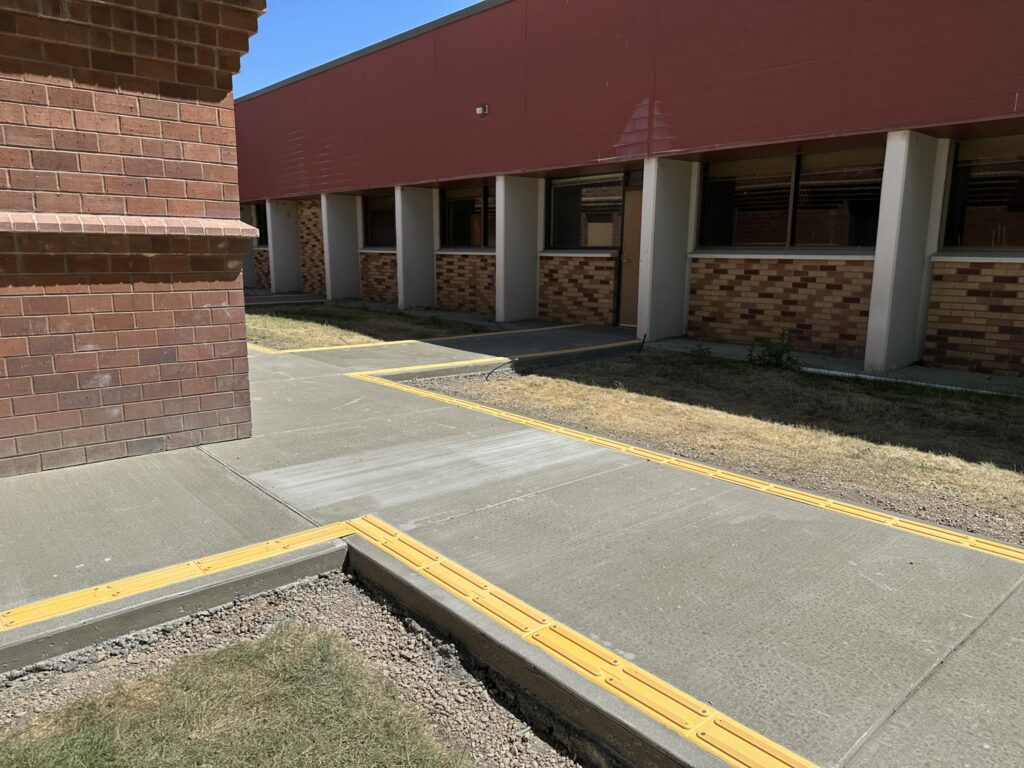
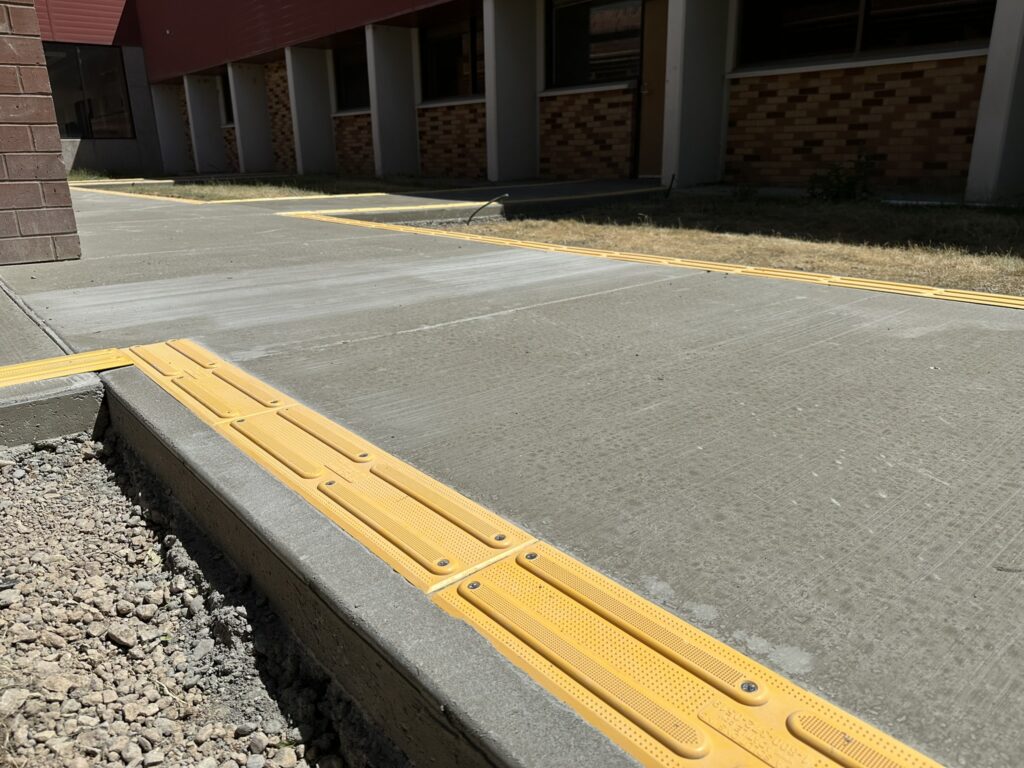
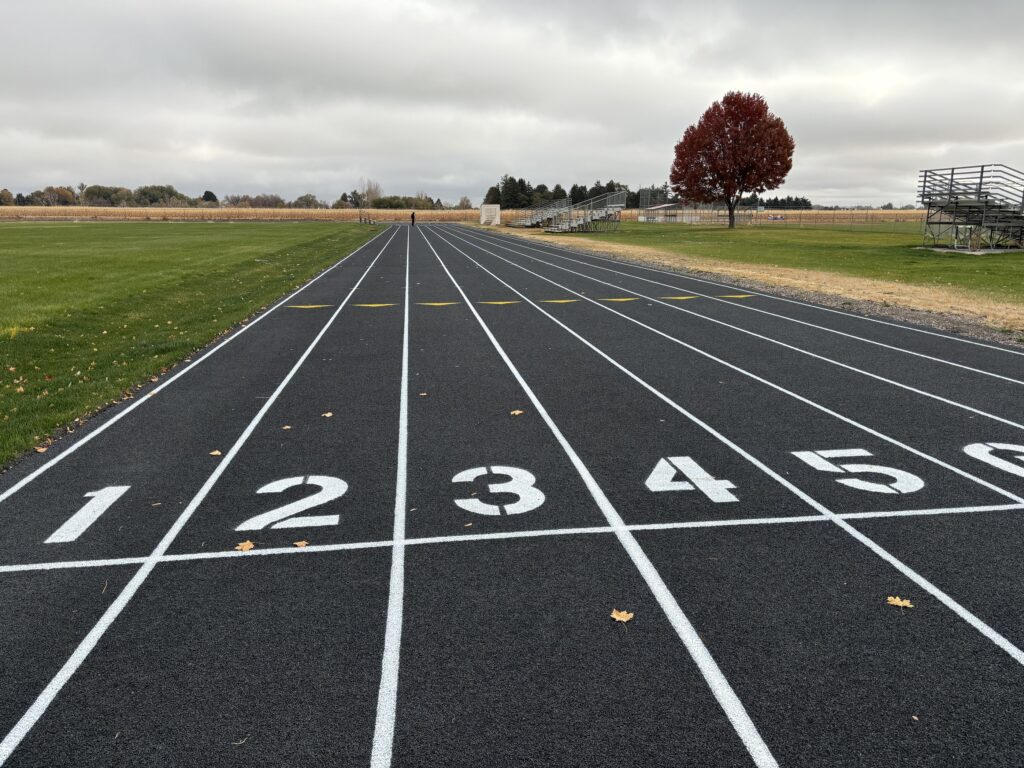
The project included track replacement, parking lot reconstruction, ADA-compliant pathways, and emergency access upgrades. Because the school serves students with specialized needs, each design element required additional review to make sure it performed as intended.
The importance of the work extends beyond the campus itself. Together, the improvements support students’ independence, safety, and daily experience.
Designing for Everyone
Much of site civil engineering happens behind the scenes, but its impact is felt every day. Decisions about access, circulation, grading, and infrastructure influence how well a place works for the people who use it.
At Camp Rainbow Gold and the Idaho School for the Deaf and Blind, accessibility helped guide key design decisions. The result? Safer routes, easier connections, and greater access to the places and experiences that matter most.
Because when accessibility comes first, sites work better for everyone.